



India is one of the world’s leading producers and exporters of essential oils, supplying a diverse range of aromatic oils derived from natural sources. With a rich history in Ayurveda and traditional plant-based medicine, India has become a trusted hub for high-quality essential oils used in aromatherapy, perfumery, cosmetics, and pharmaceuticals. However, sourcing the right essential oils from India requires a careful approach to ensure quality, purity, and authenticity. This guide will walk you through the steps to effectively source premium essential oils from India.
Understanding the Essential Oil Industry in India
India produces a wide variety of essential oils, including:
- Sandalwood Oil – Known for its deep, woody aroma and use in luxury perfumes and skincare products.
- Peppermint Oil – Popular for its cooling effect and use in medicinal and cosmetic applications.
- Lemongrass Oil – Valued for its citrusy scent and anti-fungal properties.
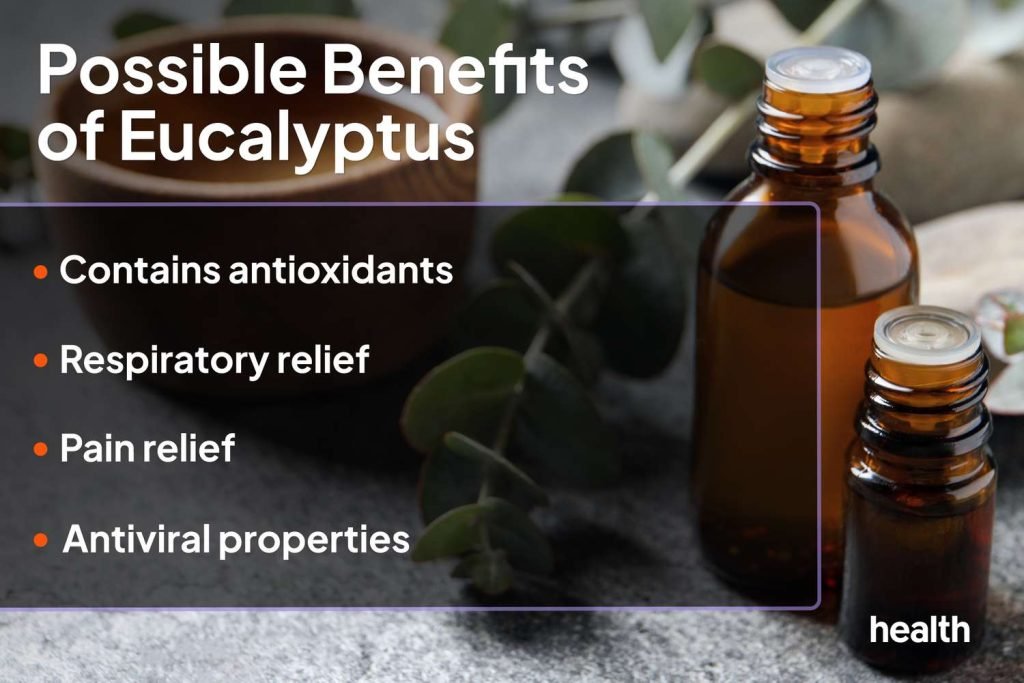
- Eucalyptus Oil – Used for respiratory health and as a natural insect repellent.
- Tea Tree Oil – Recognized for its antibacterial and antifungal benefits.
India’s essential oil market is supported by vast agricultural resources, advanced distillation methods, and stringent quality standards. Understanding the industry landscape will help you identify reputable suppliers and choose the right oils for your business.
Steps to Source High-Quality Essential Oils from India
1. Identify Your Requirements
Before reaching out to suppliers, clearly define your needs:
- What type of essential oils do you require?
- What will they be used for (cosmetics, perfumes, pharmaceuticals, etc.)?
- What purity levels and certifications do you need (organic, therapeutic grade, etc.)?
Defining these factors will help narrow down your supplier options and streamline the selection process.
2. Find Reputable Suppliers
To source the best essential oils, it’s crucial to find reliable suppliers. Some ways to locate trustworthy Indian suppliers include:
- Online B2B Marketplaces – Platforms like Alibaba, IndiaMART, and TradeIndia list multiple essential oil exporters.
- Trade Fairs and Exhibitions – Events such as the India International Trade Fair and Cosmoprof India are excellent opportunities to connect with suppliers.
- Industry Associations – Organizations like the Fragrance & Flavour Association of India (FAFAI) and the Essential Oil Association of India (EOAI) provide access to verified producers.
- Referrals and Recommendations – Word-of-mouth recommendations from trusted business partners can help identify high-quality suppliers.
3. Verify Quality and Certifications
To ensure you are purchasing pure and high-quality essential oils, check for certifications such as:
- ISO 9001 – Ensures the supplier follows international quality management standards.
- GMP (Good Manufacturing Practices) – Confirms compliance with safety and hygiene regulations.
- USDA Organic / India Organic – Verifies the oils are free from synthetic additives and chemicals.
- COA (Certificate of Analysis) – Provides detailed chemical composition analysis of the essential oil.
- GC/MS Testing – A gas chromatography-mass spectrometry test confirms the purity and authenticity of the oil.
4. Request Samples and Conduct Testing
Before committing to bulk orders, request samples from different suppliers and evaluate them based on:
- Aroma – Genuine essential oils have a strong, natural scent.
- Texture and Color – Check for consistency and natural appearance.
- Solubility Test – Pure essential oils should not mix with water but dissolve in alcohol or carrier oils.
- Third-Party Lab Testing – For additional assurance, have the samples tested in an independent laboratory.
5. Assess the Supplier’s Production and Ethical Practices
Visit the supplier’s production facility (if possible) or conduct a virtual audit to examine:
- Distillation and Extraction Methods – Steam distillation, cold pressing, and solvent extraction techniques affect oil quality.
- Sustainable Sourcing – Ethical sourcing and fair-trade practices ensure that raw materials are obtained responsibly.
- Hygiene and Storage Conditions – Essential oils should be stored in dark glass containers and kept in temperature-controlled environments.
6. Negotiate Terms and Finalize Agreements
Once you have selected a supplier, discuss key terms including:
- MOQ (Minimum Order Quantity) – Many suppliers have a minimum order requirement.
- Pricing – Compare rates from different suppliers to get competitive pricing.
- Payment Terms – Secure a payment method that ensures safety for both parties (e.g., Letter of Credit, escrow services).
- Shipping and Logistics – Confirm delivery timelines, export documentation, and compliance with international shipping regulations.
Common Challenges and How to Overcome Them
1. Adulteration and Fake Oils
Some suppliers mix essential oils with synthetic additives. Solution: Always conduct lab tests and buy from verified sellers.
2. Variability in Quality
Natural oils can have slight variations in fragrance and color. Solution: Work with suppliers who maintain consistent quality standards.
3. Regulatory Compliance
Different countries have different import regulations for essential oils. Solution: Ensure your supplier complies with international trade laws and provides necessary export documentation.