


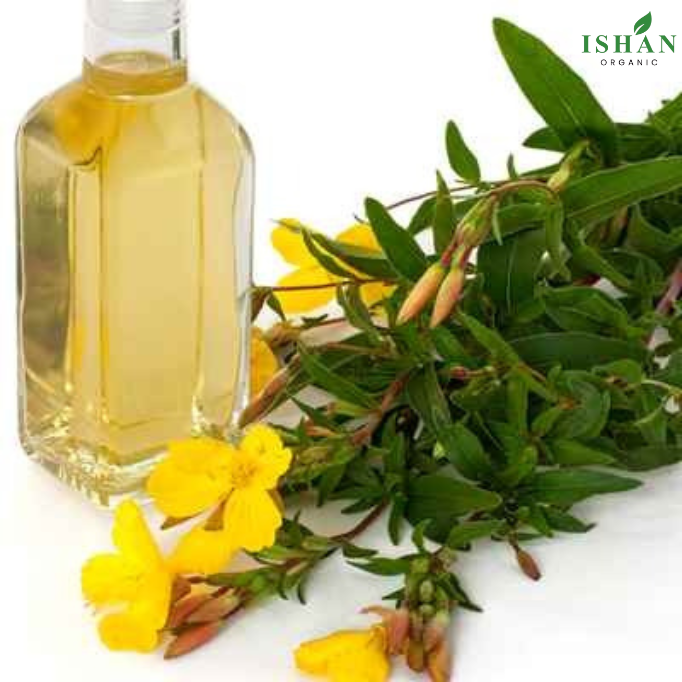
Essential oils have been treasured for centuries across cultures for their therapeutic, aromatic, and medicinal properties. Today, in the world of natural remedies and holistic wellness, essential oils are enjoying renewed popularity. Whether it’s for relaxation, skincare, hair care, or boosting overall health, these concentrated plant extracts are an incredible gift from nature.
In this comprehensive guide, we’ll explore what essential oils are, their benefits, uses, top varieties, safety tips, and how to incorporate them into your daily life.
What Are Essential Oils?
Essential oils are highly concentrated extracts obtained from plants—leaves, flowers, roots, stems, seeds, and fruits. They capture the natural fragrance and beneficial compounds of the plant in liquid form. Unlike carrier oils, essential oils are volatile, meaning they evaporate quickly and release a strong aroma.
The process of extraction usually involves:
- Steam distillation – the most common method, where steam passes through plant material to extract oil.
- Cold pressing – often used for citrus oils like orange, lemon, and lime.
- Solvent extraction – used for delicate flowers like jasmine.
Each essential oil contains unique chemical compounds that give it therapeutic qualities—such as antibacterial, antifungal, anti-inflammatory, or calming effects.
History of Essential Oils
Essential oils date back thousands of years. Ancient civilizations like the Egyptians, Greeks, Chinese, and Indians used them for medicinal, spiritual, and cosmetic purposes.
- Egyptians used essential oils like myrrh and frankincense for embalming, perfumes, and healing.
- Greeks applied oils for massage, baths, and medicine.
- Indian Ayurveda extensively utilized oils like sandalwood, neem, and turmeric for holistic healing.
- Chinese medicine incorporated aromatic herbs and oils for balancing energy (Qi).
Today, aromatherapy and essential oils are a key part of alternative medicine, spa treatments, and self-care routines.
Benefits of Essential Oils
The benefits of essential oils are vast, covering physical health, emotional well-being, skincare, and home applications. Below are the most popular advantages:
1. Stress Relief and Relaxation
Essential oils like lavender, chamomile, and ylang-ylang are well-known for their calming properties. When inhaled, these oils interact with the limbic system of the brain, reducing stress and anxiety while promoting relaxation and better sleep.
2. Boosting Immunity
Some oils have natural antibacterial, antifungal, and antiviral properties. Tea tree, eucalyptus, oregano, and clove oils are often used to support the immune system and fight off infections.
3. Skincare and Beauty
Essential oils are widely used in beauty products. They help with acne, pigmentation, premature aging, and hydration. For example:
- Tea tree oil – fights acne-causing bacteria.
- Rose oil – improves skin elasticity.
- Frankincense oil – reduces wrinkles and scars.
4. Pain Relief
Peppermint, rosemary, and ginger oils are effective in easing muscle aches, headaches, and joint pain. Many massage therapists use them for therapeutic massages.
5. Respiratory Health
Eucalyptus and peppermint oils are powerful decongestants that clear nasal passages and soothe coughs. They are widely used in steam inhalation during colds and flu.
6. Hair Care
Oils like rosemary, lavender, and cedarwood promote hair growth, reduce dandruff, and improve scalp health. They are often added to shampoos or carrier oils for scalp massages.
7. Home and Cleaning
Lemon, orange, and tea tree oils act as natural disinfectants. They are safe, chemical-free alternatives for cleaning and deodorizing your home.
Popular Essential Oils and Their Uses
Here are some of the most commonly used essential oils and their specific benefits:
- Lavender Oil – Relaxation, sleep aid, skin healing.
- Peppermint Oil – Energy boost, headache relief, digestion support.
- Tea Tree Oil – Acne treatment, antifungal, household cleaning.
- Eucalyptus Oil – Clears sinuses, improves respiratory function.
- Lemon Oil – Natural cleanser, mood booster, skin brightener.
- Rosemary Oil – Memory enhancer, hair growth stimulant.
- Frankincense Oil – Anti-aging, meditation aid, reduces inflammation.
- Chamomile Oil – Calms anxiety, soothes skin irritation.
- Ylang-Ylang Oil – Reduces stress, enhances libido, balances skin oils.
- Jasmine Oil – Natural perfume, mood lifter, skin revitalizer.
How to Use Essential Oils
Essential oils are versatile and can be used in multiple ways. However, they are potent and must be handled carefully.
1. Aromatherapy (Inhalation)
- Add a few drops to a diffuser.
- Inhale directly from the bottle for instant relaxation.
- Add to a bowl of hot water and inhale steam.
2. Topical Application
- Mix with a carrier oil (like coconut, jojoba, or almond oil) before applying to skin.
- Use in massages for pain relief and relaxation.
- Add to lotions or creams for skincare benefits.
3. Bath Soaks
- Add 5–10 drops to bathwater for relaxation.
- Combine with Epsom salts for detoxifying baths.
4. Hair Care
- Add a few drops to shampoo or conditioner.
- Mix with carrier oil and massage into scalp.
5. Household Cleaning
- Combine with vinegar or baking soda for natural cleaners.
- Use lemon or tea tree oil to disinfect surfaces.
Safety Tips for Using Essential Oils
While essential oils are natural, they are very concentrated and require careful use. Here are some safety precautions:
- Dilution is essential – Always mix with a carrier oil before applying to the skin.
- Patch test – Test on a small skin area to avoid allergic reactions.
- Avoid ingestion – Unless under professional guidance, do not swallow essential oils.
- Pregnancy caution – Pregnant and breastfeeding women should consult a doctor before use.
- Keep away from children and pets – Some oils can be toxic if ingested or applied incorrectly.
- Sun sensitivity – Citrus oils like lemon and orange can make skin photosensitive. Avoid sun exposure after use.
Essential Oils in Ayurveda and Traditional Healing
In India, essential oils have been deeply integrated into Ayurveda for centuries. Oils like sandalwood, turmeric, neem, and basil are believed to balance doshas (Vata, Pitta, Kapha) and restore harmony in the body.
- Sandalwood oil is cooling and used for meditation.
- Neem oil is powerful for skin ailments.
- Turmeric oil supports immunity and skin health.
- Tulsi (holy basil) oil strengthens the respiratory system.
This ancient wisdom is now blending with modern aromatherapy, making essential oils a holistic wellness solution.
Buying and Storing Essential Oils
When purchasing essential oils, quality is key. Look for:
- 100% pure essential oil (not diluted or synthetic).
- Dark glass bottles to prevent sunlight damage.
- Botanical name and extraction method on the label.
- Reputable brands that provide third-party testing.
Storage tips:
- Store in a cool, dark place.
- Keep bottles tightly closed.
- Avoid plastic containers, as oils can break them down.
DIY Recipes with Essential Oils
Here are some simple and effective recipes you can try at home:
1. Relaxing Sleep Spray
- 10 drops lavender oil
- 5 drops chamomile oil
- 100 ml distilled water
- Mix in a spray bottle and use on pillows before sleep.
2. Natural Room Freshener
- 10 drops lemon oil
- 8 drops peppermint oil
- 100 ml water in a spray bottle.
3. Hair Growth Oil
- 5 drops rosemary oil
- 5 drops lavender oil
- 2 tbsp coconut oil
- Massage into scalp twice a week.
4. Anti-Acne Face Oil
- 3 drops tea tree oil
- 2 tbsp jojoba oil
- Apply lightly to affected areas.
Future of Essential Oils
With the rising trend of wellness and natural living, essential oils are expected to play an even bigger role in personal care, healthcare, and eco-friendly products. Research continues to uncover new therapeutic uses, making them a cornerstone of alternative medicine and natural beauty industries.
Conclusion
Essential oils are much more than just pleasant fragrances—they are powerful plant extracts that can support physical, emotional, and mental well-being. From skincare to stress relief, from boosting immunity to enhancing home environments, their benefits are vast and versatile.
Incorporating essential oils into your daily routine can bring balance, health, and vitality—connecting you with the healing power of nature.
If you’re new to essential oils, start small with popular options like lavender, tea tree, or lemon, and explore their incredible potential. Always prioritize safety and choose high-quality oils to enjoy their full benefits.