


The global cosmetics and skincare industry is undergoing a major transformation as consumers demand natural, chemical-free, and sustainable products. Carrier oils, extracted from seeds, nuts, and fruits, have become a key component in this revolution. India, with its rich biodiversity and traditional knowledge of plant-based skincare, has emerged as a leading supplier of high-quality carrier oils. This blog explores how Indian carrier oils are revolutionizing the cosmetics and skincare industry, their benefits, and the factors driving their global demand.
Understanding Carrier Oils in Skincare
Carrier oils are used as base oils in cosmetics to dilute essential oils, provide moisture, and enhance skin and hair health. Unlike mineral oils, which are petroleum-derived, carrier oils are plant-based and packed with vitamins, antioxidants, and essential fatty acids that nourish and protect the skin.
Popular Indian Carrier Oils in Cosmetics and Skincare
India produces some of the world’s finest carrier oils, widely used in beauty formulations:
- Coconut Oil – A staple in hair and skin care, coconut oil is known for its deep moisturizing and antibacterial properties.
- Almond Oil – Rich in vitamin E, almond oil helps reduce fine lines, dark circles, and dry patches.
- Jojoba Oil – With a composition similar to human sebum, jojoba oil balances skin hydration and is ideal for acne-prone skin.
- Sesame Oil – Used in Ayurveda for centuries, sesame oil is an anti-inflammatory powerhouse that strengthens skin barriers.
- Moringa Oil – A natural anti-aging oil rich in antioxidants, moringa oil helps combat free radical damage.
- Argan Oil – Often called ‘liquid gold,’ argan oil is packed with fatty acids that promote skin elasticity and hair shine.
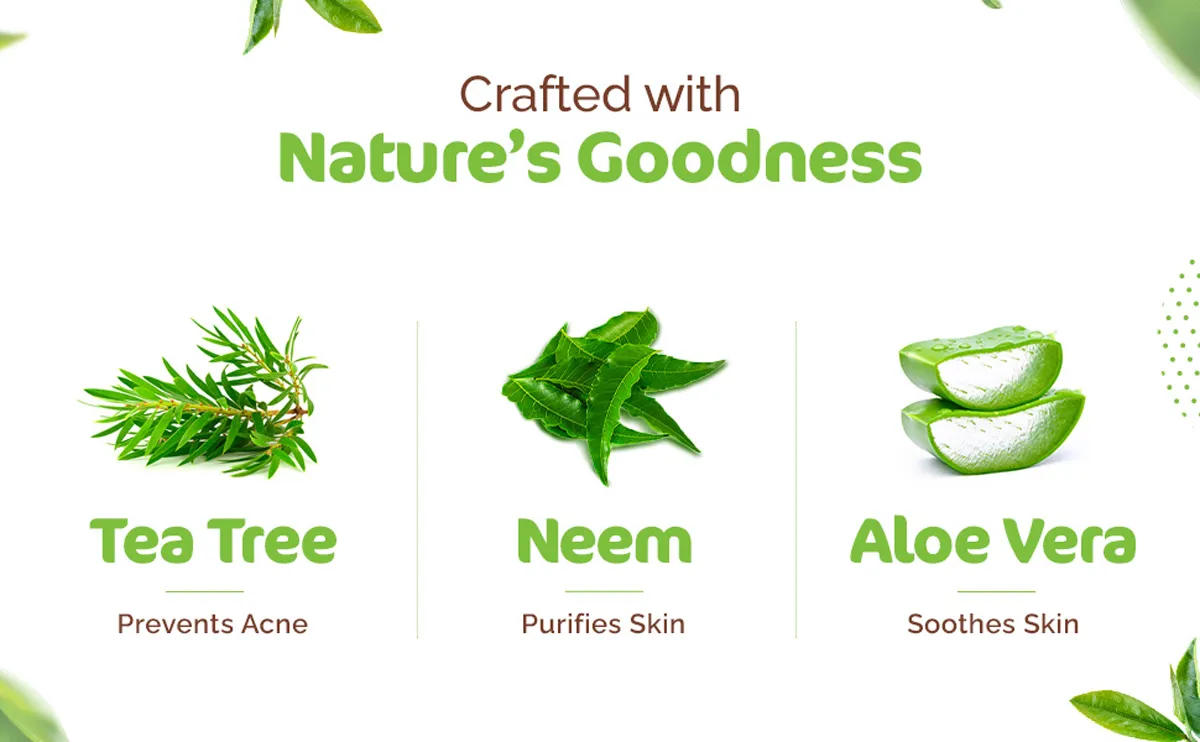
- Neem Oil – Known for its antibacterial and antifungal properties, neem oil is widely used in anti-acne and anti-dandruff formulations.
How Indian Carrier Oils Are Transforming the Skincare Industry
1. Replacing Synthetic Ingredients with Natural Alternatives
Many mainstream skincare products contain synthetic emollients and preservatives that can cause skin irritation. Indian carrier oils provide a plant-based, chemical-free alternative that nourishes and heals the skin without harmful side effects.
2. Boosting Anti-Aging and Hydration Solutions
Carrier oils like moringa, argan, and almond oil are rich in essential fatty acids, which help to maintain skin elasticity, reduce wrinkles, and deeply hydrate the skin. This makes them a preferred choice in anti-aging and hydrating creams.
3. Enhancing Hair Care Formulations
Indian carrier oils such as coconut, jojoba, and sesame oil are widely used in hair serums, masks, and shampoos to strengthen hair follicles, prevent dandruff, and restore hair shine. Their natural conditioning properties make them a must-have in hair care products.
4. Driving the Growth of Organic and Sustainable Beauty Brands
As consumers shift towards ‘clean beauty,’ brands are replacing petroleum-based oils with organic carrier oils sourced from India. Cold-pressed and organic-certified oils ensure that skincare products are free from chemicals and eco-friendly.
5. Supporting Ayurveda and Holistic Skincare Trends
The resurgence of Ayurvedic beauty treatments has increased the demand for traditional carrier oils like sesame and neem oil. Many luxury beauty brands are now formulating products based on ancient Indian skincare rituals, boosting India’s influence in the global beauty sector.
The Rise of Sustainable and Organic Carrier Oils
With growing concerns about environmental sustainability, ethical sourcing, and chemical-free skincare, the demand for organic carrier oils has soared. India is playing a crucial role in this trend due to:
- Traditional Farming Methods – Many Indian farmers still use organic, pesticide-free cultivation techniques.
- Cold-Pressed Extraction – This process ensures that carrier oils retain maximum nutrients without chemical solvents.
- Strict Quality Certifications – Many Indian suppliers are USDA Organic, ECOCERT, and India Organic certified, ensuring purity and safety.
- Fair Trade Practices – Indian manufacturers are increasingly adopting ethical sourcing and fair trade principles, benefiting local farmers and communities.

How to Source High-Quality Indian Carrier Oils for Cosmetic Use
1. Choose Certified Suppliers
To ensure purity and authenticity, work with suppliers who have:
- USDA Organic, India Organic, or ECOCERT certifications.
- Certificates of Analysis (COA) proving purity and composition.
- Good Manufacturing Practices (GMP) compliance.
2. Evaluate Oil Extraction Methods
- Cold-pressed oils retain more nutrients than refined oils.
- Avoid chemically extracted oils, which may contain residues of solvents.
- Always request samples and conduct lab testing to verify purity.
3. Understand Packaging and Storage Requirements
Carrier oils should be stored in dark glass bottles to prevent oxidation and maintain their shelf life. Ensure your supplier follows proper storage protocols.
4. Verify Ethical and Sustainable Sourcing
- Ask if the supplier supports fair wages and community development.
- Ensure sustainable farming practices that do not harm biodiversity.
- Check if they use eco-friendly packaging solutions.
Challenges in the Carrier Oil Industry
While Indian carrier oils are transforming the cosmetics industry, there are challenges to overcome:
- Adulteration – Some suppliers mix oils with synthetic additives. Solution: Work with certified suppliers and conduct purity tests.
- Supply Chain Variability – Seasonal variations can impact availability and pricing. Solution: Build long-term relationships with suppliers for stable sourcing.
- Regulatory Compliance – Different countries have different import regulations. Solution: Ensure that your supplier meets global compliance standards.