



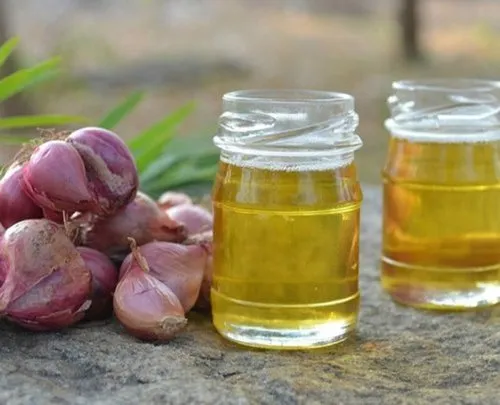
In recent years, the demand for sustainable and organic carrier oils has surged as consumers worldwide seek natural alternatives for skincare, haircare, and wellness products. India, a country rich in agricultural resources, has emerged as a leading supplier of high-quality carrier oils that are produced using ethical and environmentally friendly practices. This blog explores why Indian carrier oils are the future of natural beauty, their benefits, and how to source them responsibly.
What Are Carrier Oils?
Carrier oils are vegetable oils extracted from seeds, nuts, and kernels, used to dilute essential oils and provide nourishment to the skin and hair. Unlike essential oils, which are highly concentrated and volatile, carrier oils are mild, stable, and can be applied directly to the skin.
Popular Sustainable and Organic Carrier Oils from India
India produces a wide variety of high-quality carrier oils, including:
- Coconut Oil – Known for its deep moisturizing properties, coconut oil is a staple in skincare and haircare.
- Almond Oil – Rich in vitamin E, almond oil is perfect for nourishing and softening the skin.
- Jojoba Oil – Closely resembles the skin’s natural sebum, making it an excellent choice for hydration.
- Sesame Oil – Used in Ayurvedic treatments for its anti-inflammatory and antioxidant properties.
- Moringa Oil – Packed with essential fatty acids and antioxidants, moringa oil is beneficial for anti-aging skincare.
- Argan Oil – Commonly used for haircare, argan oil strengthens and adds shine to hair strands.

The Rise of Sustainable and Organic Carrier Oils
As the global beauty industry shifts towards clean and green products, the demand for organic and sustainable carrier oils has grown. India is at the forefront of this movement due to:
- Vast Natural Resources – India’s diverse climate allows for the cultivation of various oil-bearing plants.
- Traditional Farming Practices – Many Indian farmers still use traditional and organic methods to cultivate oil crops without synthetic pesticides or fertilizers.
- Strict Quality Standards – Indian producers are increasingly adopting certifications like USDA Organic, India Organic, and ECOCERT to meet international demand.
- Cold-Pressed Extraction Methods – To retain maximum nutrients, many Indian producers use cold-pressing, which eliminates the need for chemical solvents.
How to Source High-Quality Carrier Oils from India
1. Identify Your Needs
Before sourcing, define what you need:
- Are you looking for organic or conventional oils?
- What industry are you sourcing for (cosmetics, aromatherapy, food, etc.)?
- What certifications do you require (USDA Organic, GMP, ISO, etc.)?
2. Find Reputable Suppliers
To ensure quality, consider sourcing from:
- Online Marketplaces – Platforms like IndiaMART, TradeIndia, and Alibaba list verified carrier oil exporters.
- Industry Trade Shows – Events such as the India International Trade Fair provide direct access to producers.
- Essential Oil Associations – Organizations like the Essential Oil Association of India (EOAI) and the Fragrance & Flavour Association of India (FAFAI) help identify authentic suppliers.
- Certified Organic Farms – Buying directly from certified organic farms ensures traceability and purity.
3. Verify Certifications and Testing
Ensure that the carrier oils meet global quality standards by checking:
- Organic Certifications – USDA Organic, India Organic, ECOCERT, etc.
- Purity Testing – Request a Certificate of Analysis (COA) to confirm chemical composition.
- Cold-Pressed vs. Refined – Cold-pressed oils retain nutrients, while refined oils may undergo heat processing.
- Third-Party Lab Testing – Independent testing ensures authenticity and purity.
4. Assess Sustainable and Ethical Practices
When selecting a supplier, consider:
- Fair Trade Practices – Does the supplier support fair wages and ethical labor practices?
- Eco-Friendly Packaging – Sustainable glass or biodegradable packaging minimizes environmental impact.
- Carbon Footprint Reduction – Look for suppliers using renewable energy and sustainable farming methods.
Challenges in the Carrier Oil Industry
Despite its growth, the sustainable carrier oil industry faces challenges:
- Adulteration and Contamination – Some suppliers mix oils with synthetic additives. Solution: Always verify purity through lab testing.
- High Production Costs – Organic farming and cold-press extraction are costlier but ensure better quality.
- Fluctuating Supply Chains – Seasonal variations and weather conditions affect yield and pricing.